


Let’s be honest, who doesn’t love a good freebie? The internet is packed with discount codes, free trials, and too-good-to-miss offers that seem to pop up everywhere you look. Most of them are perfectly legitimate, but some are carefully designed traps meant to get you clicking without thinking or handing over information you really shouldn’t share. The trick is learning how to tell them apart so you can grab the genuine deals without putting yourself at risk.
Understanding Why Freebies Are Used Online
Think about it: digital platforms and entertainment services need a way to get people through the door. Offering something free or heavily discounted lowers that first barrier, whether it’s an app download, a streaming trial, or a new gaming platform, trying to build momentum. The same idea shows up across many online entertainment spaces, where incentives are used to spark curiosity before users decide whether a platform is worth their time. That’s why trust becomes so important, especially in regulated digital markets like New Zealand, where players are more conscious about who they sign up with and why.
In areas such as online casino sites, independent insight can make a real difference. Casino expert Wilna van Wyk helps players understand what matters by breaking it all down in her NZ online pokies reviews, focusing on platforms that balance game choice, fair bonuses, dependable return rates, and fast, hassle-free payouts, so players can feel confident they’re choosing options that are both enjoyable and reliable.
Checking the Source Before You Click
Before you click on anything, take a second to figure out who’s actually behind the offer. Legitimate businesses have proper websites, consistent branding, and contact information that’s easy to find. If you’re getting an offer from some random email address or a social media account that was created last Tuesday, that’s your first red flag.
Think of it like this: if someone shoved a flyer through your letterbox advertising free prizes, you’d probably look twice at whether it came from a real business or just some handwritten scribble, right? Online works the same way, even when the design looks polished and professional, trusted sites even offer genuinely free content, like curated free online games, without asking for any personal details.
Reading the Fine Print Without Rushing
Yeah, terms and conditions are boring. We all skip them. But that’s exactly where companies hide the stuff they don’t want you noticing right away, things like automatic renewals that charge your card after a “free” trial, clauses about sharing your data, or eligibility requirements that basically disqualify everyone.
Spending just a few minutes reading through those sections can save you from some genuinely annoying surprises down the line. It’s like signing up for a free gym trial without checking what happens after the week ends. Sure, the offer sounds simple, but the actual contract tells you whether you’re about to get locked into a year-long membership you never asked for. Online freebies deserve that same level of attention.
Protecting Your Personal Information
Here’s a big warning sign: any offer asking for way more information than it should. Why does a free eBook download need your home address? Why would a simple discount code require copies of your ID? The more sensitive the information they’re requesting, the sketchier things get.
Treat your personal details like you’d treat the spare keys to your house; you wouldn’t just hand them to anyone, would you? Online, that means only sharing information on websites you know are secure, and only when there’s an actual, legitimate reason for them to have it.
Recognising Fake Endorsements and Influencers
Some offers try to look credible by slapping on endorsements, expert logos, or influencer names. It creates instant trust, which is exactly what they’re counting on. The problem? A lot of these endorsements are either wildly exaggerated or completely made up.
The good news is that a quick Google search can usually tell you if an endorsement is real. Genuine partnerships get mentioned on official websites and verified social media accounts. If you can’t find any confirmation, treat that “endorsement” with a healthy dose of scepticism instead of taking it at face value.
Spotting Emotional Pressure Tactics
Ever notice how some offers make it sound like the world will end if you don’t act right this second? That urgency is deliberate. It’s designed to make you panic and stop thinking clearly. Sure, real promotions can have deadlines, but they don’t bombard you with constant countdown timers and messages screaming that you’re about to miss the deal of a lifetime.
Imagine a salesperson following you around a shop, refusing to give you even five minutes to think. You’d find that uncomfortable and probably leave, right? Online, that same pressure should set off alarm bells and make you slow down rather than speed up.
Using Trusted Payment Methods and Protections
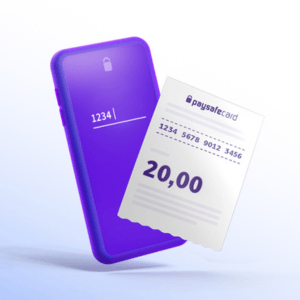
When a “free” offer suddenly asks for payment details, even if it’s just for a token charge or shipping fee, the payment method you use actually matters quite a bit. Reputable platforms use secure payment systems that come with some form of consumer protection, which means you’ve got options if things go wrong.
It’s a bit like choosing to park in a well-lit car park instead of down some dark alley. The extra layer of security just makes sense. Steer clear of offers that demand unusual payment methods or don’t provide any clear information about refunds or how to dispute charges.
Learning From Reviews and Shared Experiences
Reviews are incredibly useful for working out which offers are safe and which ones aren’t. Other people’s experiences often reveal patterns you wouldn’t spot on your own, things like hidden charges that only appear later, terrible customer support, or bonuses that turn out to be worthless.
Going for an online offer without checking reviews first is like picking a restaurant that literally no one you know has ever heard of. Sure, it might turn out fine, but you’re taking a gamble without any reassurance. Shared experiences give you a much better foundation for making smart choices.
Keeping Devices and Accounts Secure
Even when an offer is completely legitimate, you can still run into trouble if your own device isn’t properly protected. Outdated software and weak passwords make it stupidly easy for dodgy links to cause damage.
Keeping up with basic security habits, running updates, using strong passwords, and enabling two-factor authentication acts as your safety net. It’s like locking your car even when you’ve parked in a quiet neighbourhood. It doesn’t take much effort, and it significantly reduces your risk.
Knowing When to Walk Away From an Offer
One of the most important skills you can develop online is simply knowing when to bail. If the terms are confusing, the information doesn’t add up, or you just get that nagging feeling that something’s off, those are all perfectly valid reasons to close the tab and move on.
Walking away isn’t losing out on an opportunity. It’s choosing your safety and peace of mind over curiosity or FOMO. Sometimes the smartest thing you can do online is literally just close your browser and forget about it.
Staying Curious but Cautious Online
Freebies and special offers can genuinely add value to your online experience when you approach them with a bit of awareness. The key is finding that balance, staying open to real opportunities while questioning what’s being asked of you in return. By checking your sources, protecting your personal information, reading the fine print, and trusting your instincts, you can enjoy the perks of online offers without compromising your safety or privacy. Stay curious, but stay cautious too.