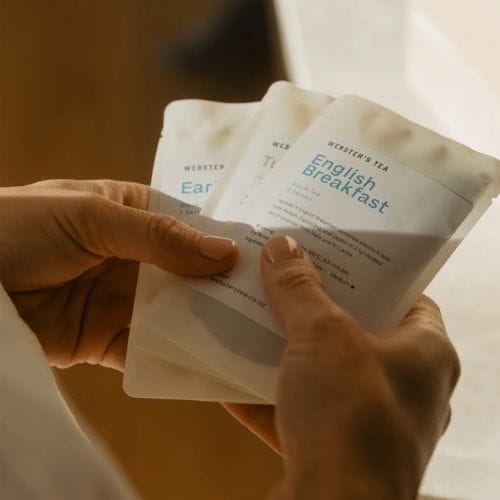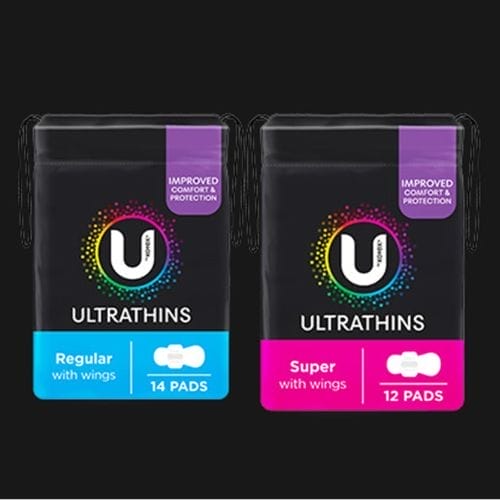



Free samples feel like a small win, but not every offer delivers real value. For budget-conscious shoppers across New Zealand, Australia and Ireland, the challenge isn’t finding freebies — it’s figuring out which ones are genuinely worth the five minutes it takes to sign up. Some samples save real money on things you’d buy anyway. Others just harvest your email address for a marketing list you’ll never escape.
This guide breaks down how to separate the two, plus a look at how other free-to-try offers get checked for legitimacy before you commit any personal details.
Spotting Free Samples Worth Your Time
The best free samples tend to come from brands you already trust, in categories you already shop. Groceries, clothing and takeaway are the categories New Zealand and Australian shoppers buy online most often, which makes samples in these areas genuinely useful rather than gimmicky. When a supermarket or established retailer offers a trial-size product, there’s usually a clear commercial reason behind it — they want you to buy the full-size version later.
Loyalty programs are another strong signal of quality. Most online shoppers in the region are already enrolled in at least one rewards scheme, and the vast majority are willing to trade a bit of personal data for tangible perks like discounts, free delivery or cashback. That willingness only makes sense when the exchange is transparent — you know what you’re giving and what you’re getting back. Free samples tied to these established programs are almost always safer bets than ones from unknown pop-up sites.
Red Flags That Signal A Waste
Some offers are designed to look free while quietly costing you later. The biggest warning sign is any request for a credit card number before you receive your “free” item, especially when the terms about future charges are buried or vague. If a company can’t clearly explain what happens after your trial ends, that’s reason enough to walk away.
Missing contact details are another giveaway. Legitimate sample offers usually list a real business, a physical address, and clear terms and conditions. Vague references to “partner offers” without naming the actual company should raise questions too.
Free-to-try offers exist well beyond product samples, and how they’re checked for legitimacy varies by industry. In sectors where trust matters enormously, independent review becomes essential. Be it travel apps, Google reviews or specific entertainment platforms, like online casinos, peer-to-peer grades matter a lot. For instance, reading reviews vetted by Gambling Insider experts helps users understand how fewer restrictions and faster payment methods gain more traction. That same instinct — checking before committing — is worth applying to any “free” offer, whether it involves a product sample, a subscription trial or a rewards sign-up.
How Other Free Trials Get Verified
Regulators play a quieter but important role in keeping free offers honest. In New Zealand, Consumer Protection within MBIE regularly surveys consumers about their experiences and awareness of their rights, using findings to shape guidance on misleading pricing and unfair terms, based on national survey data. This kind of oversight matters because it gives shoppers a benchmark for what fair “free” marketing should look like.
Food safety regulators take a similar approach. Consumer insight tracking across Australia and New Zealand — surveying roughly 1,200 Australians and 800 New Zealanders — measures trust in food labelling and attitudes toward new products, according to a food standards report. That kind of regulator-backed research gives freebie hunters a reliable way to judge whether a food sample is safe and accurately labelled, rather than relying on guesswork.
Building Your Own Freebie Shortlist
A practical shortlist starts with three quick checks: who’s behind the offer, what data they’re asking for, and what happens if you do nothing after the trial ends. If any of those answers are unclear, skip it. Genuine freebies from recognised brands rarely hide their terms, because they’re playing a long game — hoping you’ll become a repeat customer, not trying to trap you in a subscription.
Consumer attitudes are shifting toward more scrutiny of “free” offers generally, with global research showing shoppers increasingly weigh convenience against data and privacy trade-offs, as highlighted in PwC’s consumer survey. Keep a simple running list of the brands that have delivered real value without the runaround, and revisit it whenever a new sample offer lands in your inbox. Over time, that shortlist becomes far more valuable than chasing every freebie that crosses your feed.